Adam Dance MP challenges Channel 4 over ‘damaging’ framing of ADHD documentary
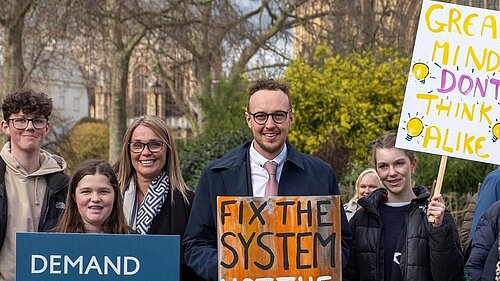
Yeovil MP Adam Dance has led a cross-party intervention calling on Channel 4 to reconsider the framing of its forthcoming documentary ‘The Great ADHD Myth?’, warning that it risks increasing stigma around a recognised neurodevelopmental condition.
Adam, who has ADHD and severe dyslexia, has backed a letter from the All Party Parliamentary Group for ADHD raising serious concerns about the programme’s title and promotional material.
The letter makes clear that MPs support proper scrutiny of ADHD diagnosis, prescribing, treatment and NHS services. However, it warns that presenting the question of whether ADHD is a “genuine neurodevelopmental disorder, or a social construct” risks misleading viewers about the established scientific evidence.
ADHD is recognised as a neurodevelopmental disorder by NICE, the World Health Organization’s ICD 11 classification and international clinical guidance.
The APPG is also challenging promotional language describing standard ADHD medication as “mind altering drugs” and “corporal punishment”, warning that this risks creating fear rather than helping people understand the issues.
Adam Dance MP said:
“As someone who has ADHD and dyslexia myself, this matters to me personally as well as politically.
“There are absolutely important questions to ask about ADHD services. People are waiting far too long for assessments, families struggle to get support and we should be able to have an open discussion about diagnosis and medication.
“But questioning whether ADHD itself is real is very different.
“There is a well-established evidence base behind ADHD. Presenting its existence as an unresolved question risks adding to the stigma already faced by children and adults with the condition.
“I know what it feels like to spend years struggling without understanding why. Getting the right recognition and support can change someone’s life.
“We are not asking Channel 4 to avoid difficult questions. We are asking them to make sure those questions are based on evidence and that the impact on people with ADHD is properly considered.”
The APPG letter asks Channel 4 and the programme makers to review the title and promotional framing, accurately put claims about diagnosis and medication into context, and ensure credible clinical and scientific evidence is properly represented.
It also asks for clarity about safeguards surrounding an experiment involving a child stopping prescribed ADHD medication and warns against using individual cases to draw conclusions about the wider ADHD population.
The letter highlights estimates that ADHD affects around 3% to 5% of children and 2% to 4% of adults. It argues that long NHS waiting lists point towards significant unmet need and pressure on services rather than providing evidence of widespread overdiagnosis.
Adam has made improving support for neurodivergent children a major focus of his work in Parliament. His Neurodivergence (Screening and Teacher Training) Bill calls for earlier identification of neurodivergent traits and better training for teachers.
The APPG has asked Channel 4 for a substantive response and offered to meet the broadcaster and production team to discuss its concerns ahead of the programme being shown.