Adam Dance MP calls on Education Secretary to review post-16 transport costs for rural students
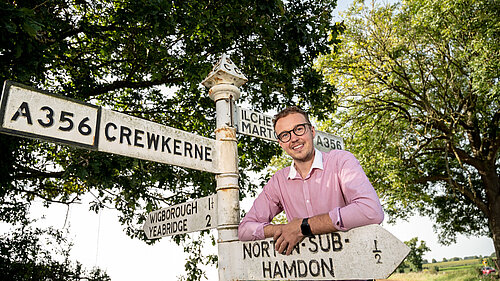
Adam Dance MP has written to the Education Secretary urging a review of transport costs for 16–18-year-old students, as rising prices and cuts to bursary provision risk limiting access to education in rural areas.
The letter, co-signed by Somerset MPs Tessa Munt, Rachel Gilmour, Gideon Amos, Anna Sabine and Sarah Dyke, calls on the Government to assess whether current funding adequately reflects the unique challenges faced by rural communities such as Somerset.
The intervention comes amid growing concern over the affordability of post-16 transport. In some cases, families have been told that discretionary bursaries covering up to 66% of transport costs will be reduced to 33% after Easter, with possible cuts expected in the next academic year.
Adam Dance MP said:
“It is mandatory for all young people to remain in education or training until the age of 18. It is therefore unreasonable that the cost of accessing that education falls so heavily on families, particularly in rural areas like Yeovil and South Somerset, where travel distances are long and alternatives are limited.
I have heard from parents across Somerset, who have expressed their deep concerns with current funding provision. One mother, who is having to pay an additional £265 per term for her daughter, told me that it feels very unfair that living outside of the main towns incurs a significant fee to attend college, when the government insist, she remains in education.
This Government has set out its ambition to reduce the number of young people not in education, employment or training, and to tackle inequality in educational outcomes. I am therefore urging the Education Secretary to review whether current post-16 transport support is sufficient to meet these objectives.
We need practical solutions that ensure rural students are not disadvantaged simply because of where they live.”
In rural areas, where public transport options are limited and travel distances are often significant, these changes risk placing additional financial pressure on families and creating barriers to education.
Research indicates that in areas such as London, where free travel is available for under-18s, the attainment gap between disadvantaged and non-disadvantaged students is significantly smaller than in Somerset. There are concerns that further increases in transport costs could widen this gap and negatively affect educational outcomes.